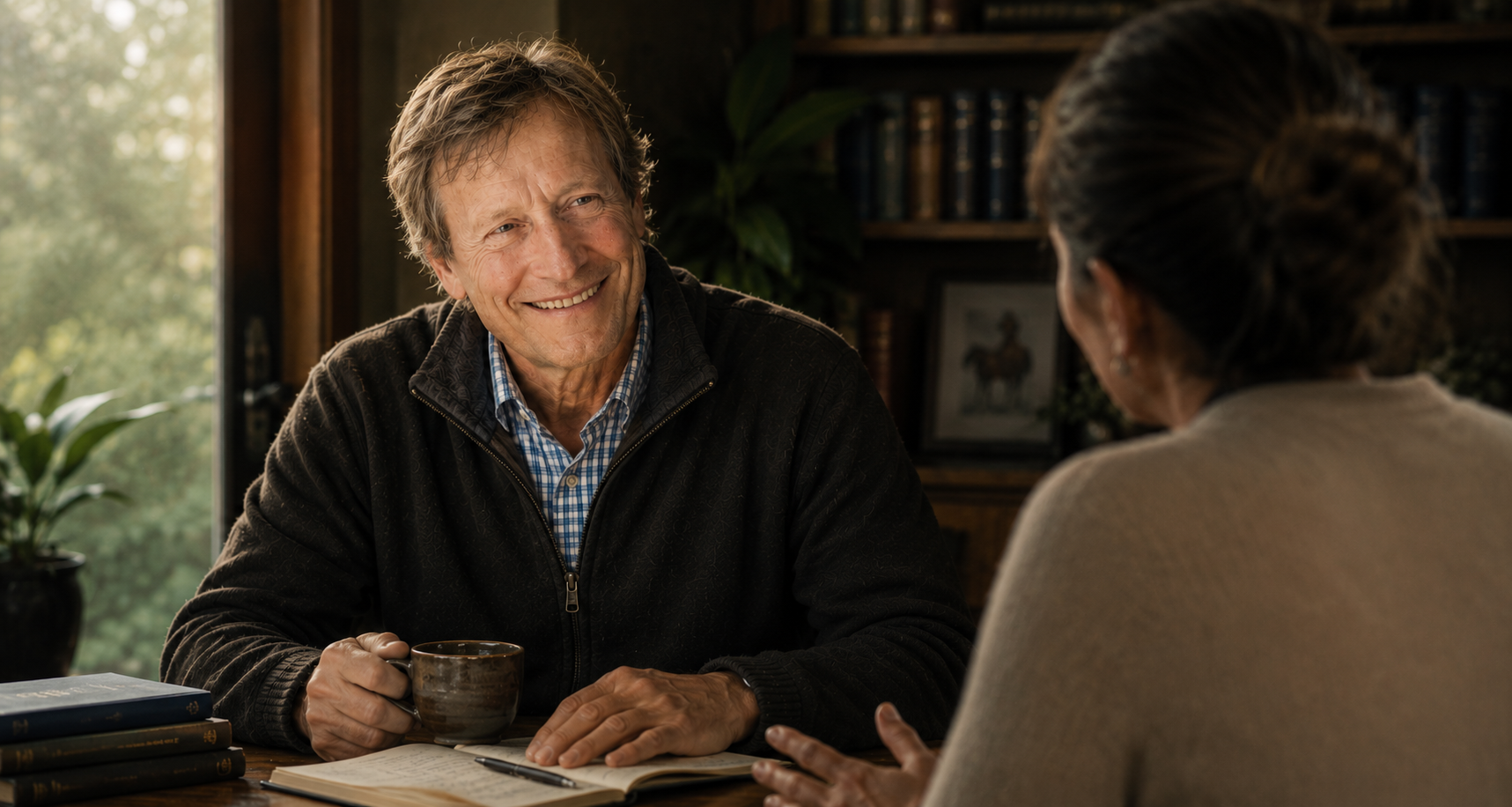
Conflict is often seen as something to avoid, yet it can also be a catalyst for understanding, growth, and stronger relationships. Discover practical tools for listening, expressing yourself clearly, and transforming everyday conflicts into opportunities for connection and positive change.
Harnessing Emotional Energy to Transform Conflict In Mediation
Conflict is fueled by emotion, yet emotions are often treated as obstacles to resolution rather than sources of insight. Discover how skilled mediators can work with emotional energy, uncover underlying needs, and transform conflict into an opportunity for understanding, healing, and lasting agreement.
From Reaction to Response: Choosing Conscious Conflict Resolution
Why do some conflicts escalate while others lead to understanding and growth? This article explores the crucial difference between reacting and responding, and how greater emotional awareness can help us move beyond blame, work with our triggers, and choose more conscious ways of engaging with conflict.
Emotional Avoidance: The Hidden Crisis in Our Lives
Neuroscience Meets Social and Emotional Learning podcast!
I recently joined Andrea Samadi on the Neuroscience Meets Social and Emotional Learning podcast to explore the intersection of neuroscience, emotional intelligence, and conflict resolution. We discuss practical tools for navigating workplace conflict, building trust, strengthening communication, and developing the emotional skills needed for healthier relationships and more effective collaboration.
Kid tears card as powerful gesture on path to resolution facilitated by teacher!
In this short interview, educator Nona Ikeda shares how she used the Empathy Set to help two students resolve a conflict at a Northern California charter school. By identifying and communicating their feelings and needs, the students were able to move beyond blame and toward understanding and resolution.
Tips to Maximize Your Conflict Resolution Experience
Conflict resolution conversations rarely succeed by accident. Drawing on principles from mediation, negotiation, emotional intelligence, and empathic communication, John Ford outlines ten practical strategies that can help participants prepare effectively, communicate more clearly, listen more deeply, and increase the likelihood of reaching mutually beneficial agreements.